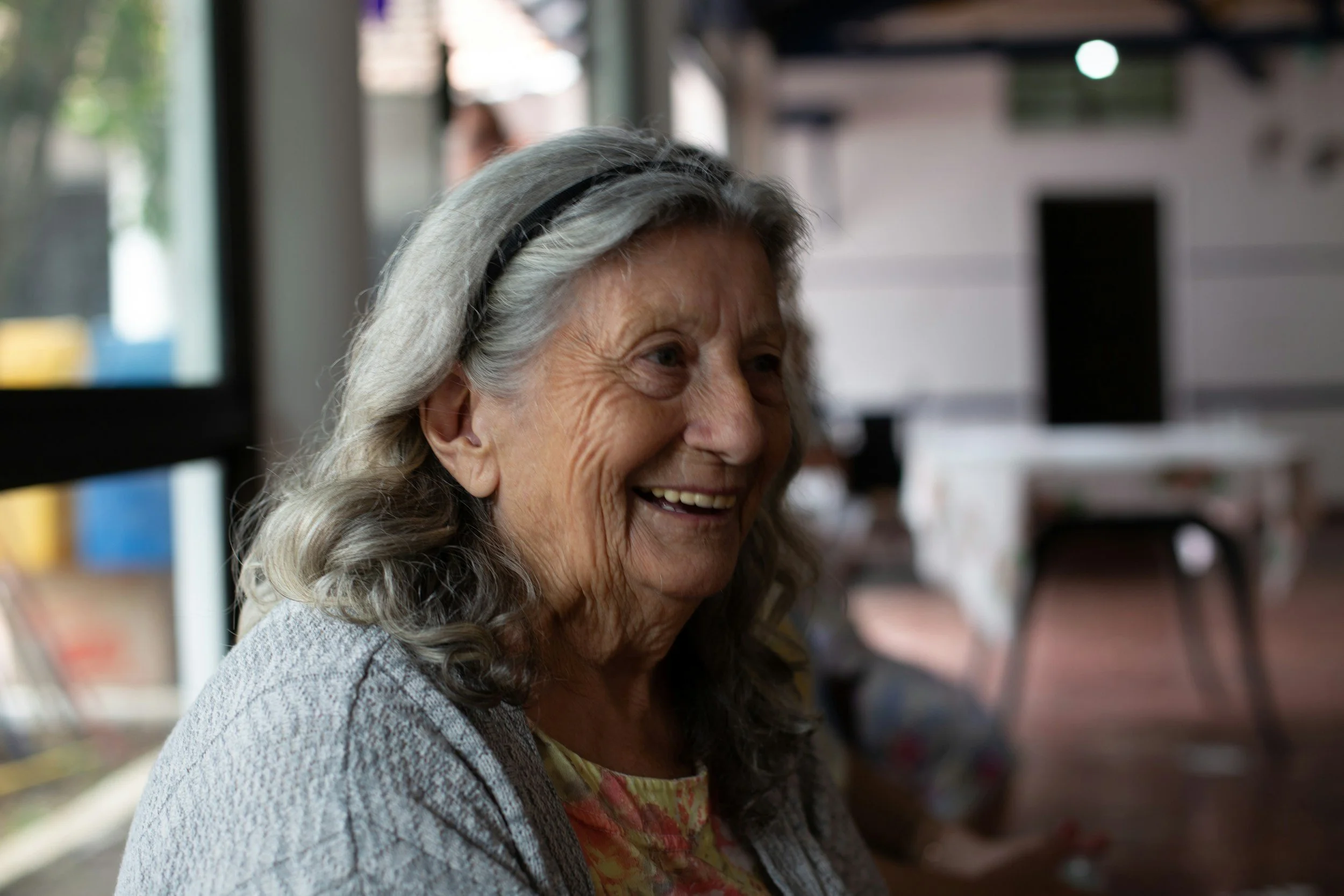
Dementia Caregiver Support
The impacts of dementia expand beyond the person with dementia. Whether you are a spouse or an adult child of someone with dementia, your relationship and communication with your loved one with dementia is changing too.
We can find new ways for the relationship and communication to work for both of you.
You won’t get “try harder” or “be patient” advice here.
You’ll get strategies that are rooted in evidence, personalized to you, and always practical. Here’s what to expect.
Understand what is happening cognitively
Easy-to-grasp explanations of what’s happening in our brains as we communicate, so behaviors feel less confusing and less personal.

Practical strategies for your current situation
Communication needs shift as dementia progresses, so I help you adapt as things change and maintain the relationship.

Great strategies work for your loved one and for you. We all need to feel loved by the people around us. Dementia can make that challenging.
Take care of yourself in the process
Created for adult children and significant others of people with dementia.
Your relationship feels one-sided now. You’re doing all the conversational work and not getting what you need from the relationship. Now you dread visiting or engaging.
You feel like you should have figured it out by now, but each day or even moment feels unpredictable. You catch glimpses of the person you knew, then lose them again.
You have tried reading books and articles, but the situations they’ve described don’t match up to the challenges you are facing.
If you're an adult child, you've found yourself parenting your own parent. While it’s necessary, it’s not what either of you wanted.
Group Events
Getting Started with Dementia Communication
In this introductory free class, we'll cover what's happening in dementia and why communication changes, plus strategies you can use right away.
Cost: Free
Locations: Across Colorado’s Front Range and online.
Dementia Communication Group Workshop
For caregivers ready to go deeper: This 4-class series is focused on personalized application, real practice, and the harder emotional work that a single session can only introduce. Open to caregivers across all phases of dementia. You’ll learn the tools that will help you to keep adapting on your own as your loved one’s dementia progresses.
Location: Online
Individual Support
30-minute Expert Consultation
For caregivers who want individualized help, whether that's a specific communication challenge, a recent diagnosis you're still adjusting to, or ongoing support as things change.
Cost: $85 for a 30-minute consultation
Location: Online
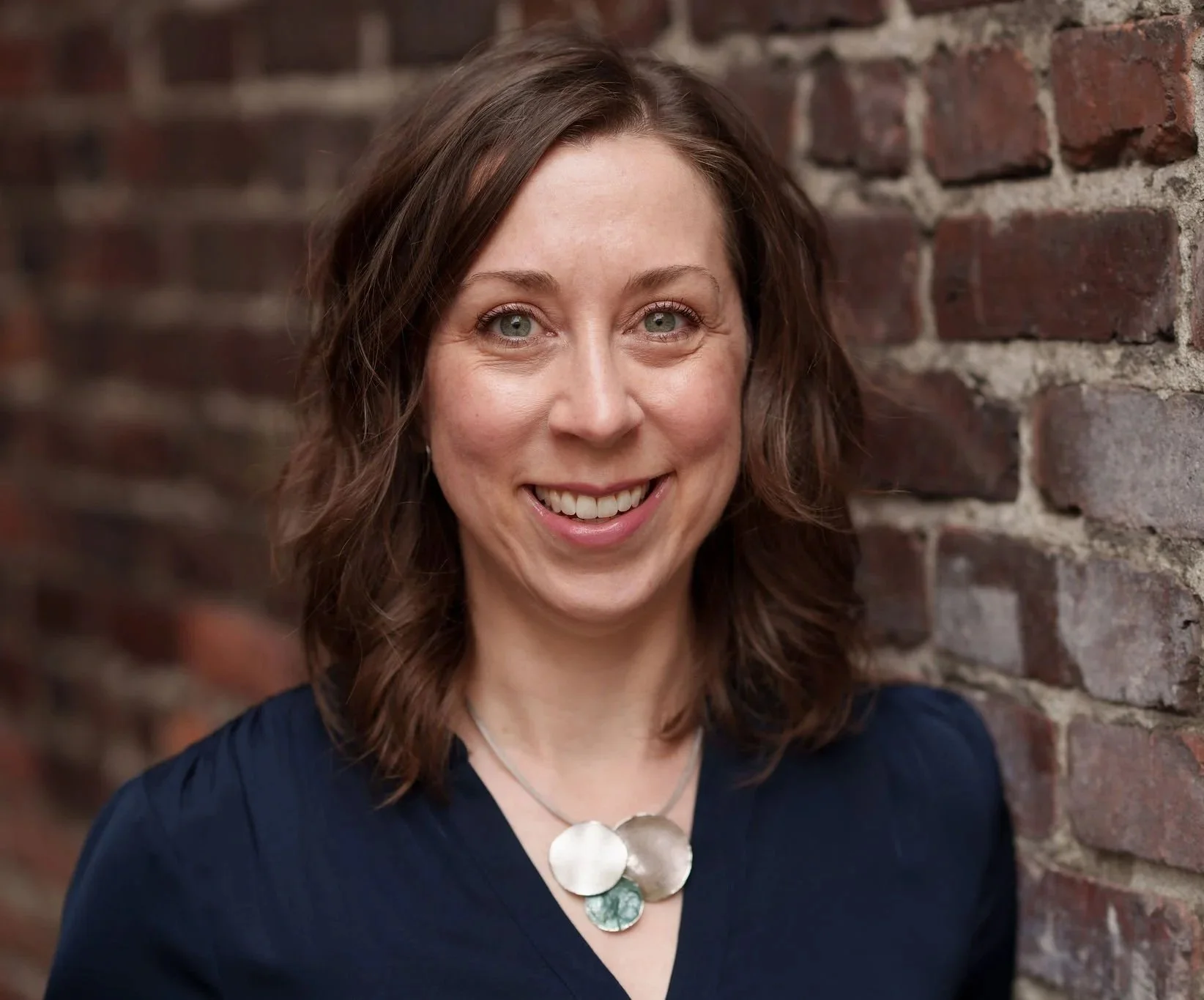
I’m Rachel, a speech-language pathologist who has helped many families like yours.
I've worked directly with people experiencing cognitive decline in assisted living, memory care, and nursing homes, and taught caregiver education through the Alzheimer's Association and Boulder Lifelong Learning. My hands-on experience shapes concrete strategies, not generic advice like "be patient," for the moment your loved one repeats a question for the fifth time. My approach protects your loved one's dignity and helps you connect with them at a pace that respects the rollercoaster of grief you may be feeling.
Frequently asked questions about Dementia Caregiver Support
Still have questions? Send me a message.
-
No. Your significant other or parent might be just starting to show signs of decline, formally diagnosed or seeking a diagnosis, or have been declining for years without a diagnosis. No matter the state of diagnosis, dementia caregiver support education was designed to help anyone who has experienced communication challenges due to their loved one’s cognitive decline.
-
Not quite. My goal is to provide education around specific, practical communication strategies that will support you as you and your loved one’s communication needs change. Getting Started with Dementia Education does not contain group discussions out of respect for your privacy and the nature of the public space the class is in. However, the Staying Connected group series does offer opportunities to support each other as a group thematically as everyone learns specific communication strategies. Staying Connected is designed as a fixed duration rather than continual support.
-
No, these offerings are for you, the caregiver. The focus is on you. This is about building your skills and understanding.
-
Communication changes differ somewhat depending on the type and stage of dementia, but the core strategies I teach apply broadly. In 1:1 support, we can discuss specific strategies for your loved one’s diagnosis.
-
Getting Started with Dementia Communication is a single class that is offered both online and in person at various locations across Colorado’s Front Range. Staying Connected is a series of classes and is held online only to support caregivers who face challenges leaving their loved one alone. You can check the registration page to see upcoming classes and locations.
-
No. This is not a clinical or diagnostic service. This is purely educational. It isn't billed to insurance, and no superbill is provided. Most healthcare education services are provided to the person with the diagnosis (or suspected diagnosis). This is for adult children and significant others. Rather than treating a communication disorder, these courses focus on developing skills specific to communicating with people who have cognitive-communication impairment.
-
I’d love to learn more! Reach out to set up a phone call to discuss your group and what you are looking for.
Access the Communication and Brain Health Newsletter
Subscribe to get monthly brain health and communication tips, Ask Rachel Q&A, and upcoming events.